
Proper trailer maintenance is essential for safety and performance, but not every repair is something you should take on yourself. Keeping your trailer in safe, working condition isn’t just about convenience; it’s about protecting your equipment, your people, and your bottom line.
At Flex Equipment Sales and Service, we work with trailers every day, from routine inspections to full repairs, so we’ve seen where DIY maintenance makes sense and where professional service is essential. Here’s a practical breakdown to help you make smart decisions.
What You Can DIY
There are several maintenance tasks that most trailer owners can (and should) do regularly. These help extend the life of your trailer and catch small issues before they become costly problems.
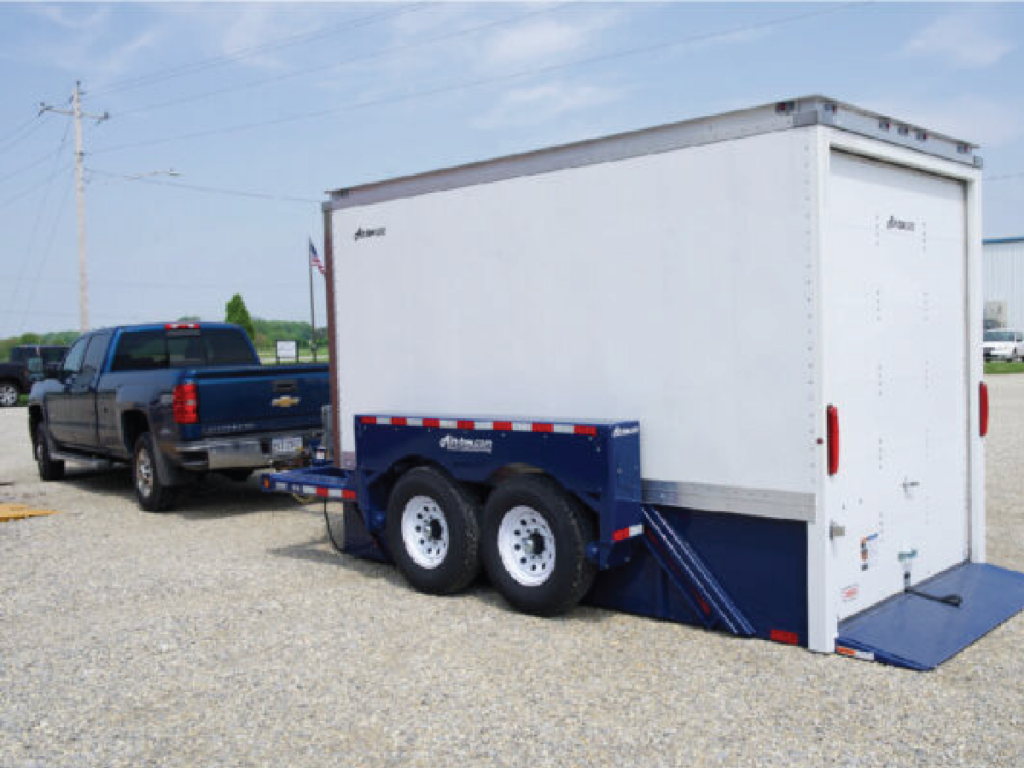
Basic Visual Inspections
Before and after use, walk around your trailer and check for:
- Tire wear or visible damage
- Loose bolts or hardware
- Cracks in welds or frame components
- Rust spots or corrosion
- Broken lights or reflectors
This quick habit takes only a few minutes but can prevent major safety issues down the road.
Tire Pressure and Condition Checks
Proper tire maintenance is one of the easiest DIY tasks, and one of the most important.
- Check air pressure before trips
- Look for uneven tread wear
- Inspect for dry rot or sidewall cracking
- Make sure lug nuts are tight (using a torque wrench)
Underinflated or damaged tires are one of the leading causes of trailer breakdowns.
Cleaning and Rust Prevention
Keeping your trailer clean isn’t just about appearance; it helps prevent long-term damage.
- Wash off road salt, dirt, and debris
- Inspect for rust and treat early spots
- Keep moving parts free of buildup
If your trailer operates in harsh environments (snow, salt, or heavy job sites), cleaning becomes even more critical.
Light Bulb Replacement & Electrical Checks
Basic lighting issues are often simple fixes:
- Replace burnt-out bulbs
- Check plug connections for corrosion or debris
- Ensure brake lights and turn signals function properly
If wiring looks damaged or inconsistent, that’s when things move out of DIY territory.
Lubrication of Moving Parts
Some trailer components benefit from regular lubrication:
- Coupler mechanisms
- Jack stands
- Hinges and latches
Using the correct grease or lubricant helps prevent wear and keeps everything operating smoothly.
What You Should Leave to the Professionals
While DIY maintenance is valuable, trailers are heavy-duty equipment, and some systems require specialized tools and professional service.
At this level, precision matters. Small mistakes can quickly turn into safety risks or costly repairs.
Brake System Repairs and Adjustments
Professional service is needed for:
- Electric brake adjustments
- Brake drum or pad replacement
- Wiring diagnostics
- Brake controller issues
Incorrect brake service can lead to serious safety risks, especially when hauling heavy loads.
Axle and Suspension Work
Professional attention is needed if you notice:
- Uneven ride height
- Excessive bouncing or sway
- Axle misalignment
- Suspension wear or damage
These systems require precise measurements and specialized equipment to repair correctly.
Frame Damage or Structural Repairs
If your trailer frame is bent, cracked, or compromised, DIY repairs are not safe.
Professional technicians can:
- Evaluate structural integrity
- Perform certified welding repairs
- Replace damaged frame sections
- Ensure load capacity is restored safely
Structural issues directly impact safety and should always be handled by trained technicians.
Electrical System Troubleshooting
While bulb replacement is DIY-friendly, deeper electrical issues are not.
Call a professional if you experience:
- Intermittent lighting issues
- Battery drain problems
- Brake system electrical failures
- Damaged wiring harnesses
Modern trailer electrical systems can be complex and require diagnostic tools.
Bearing Service and Wheel End Repairs
Wheel bearings are small components with a big job.
Professional servicing ensures:
- Proper cleaning and repacking
- Correct torque and adjustment
- Replacement of worn bearings or seals
Incorrect bearing service can lead to overheating, wheel failure, or unsafe towing conditions.
Why the Right Balance Matters
The smartest trailer owners understand that maintenance isn’t all-or-nothing. Routine care helps you stay ahead of issues, but professional service protects you from the risks that come with complex systems.
When you combine regular upkeep with expert support, you extend the life of your trailer, reduce downtime, and improve safety on every haul.
Why Choose Flex Equipment Sales and Service?
At Flex Equipment Sales and Service, we don’t just sell trailers, we help keep them working.
Our expert service team understands the demands placed on equipment in real-world conditions. Whether you’re running daily jobsite hauls or seasonal transport, we provide the expertise to keep your trailer operating safely and efficiently.
From routine maintenance to complex repairs, we’re here to help you avoid downtime and extend the life of your investment.
Need trailer service or have questions about maintenance?
Contact Flex Equipment Sales and Service today; we’re here to keep you moving.